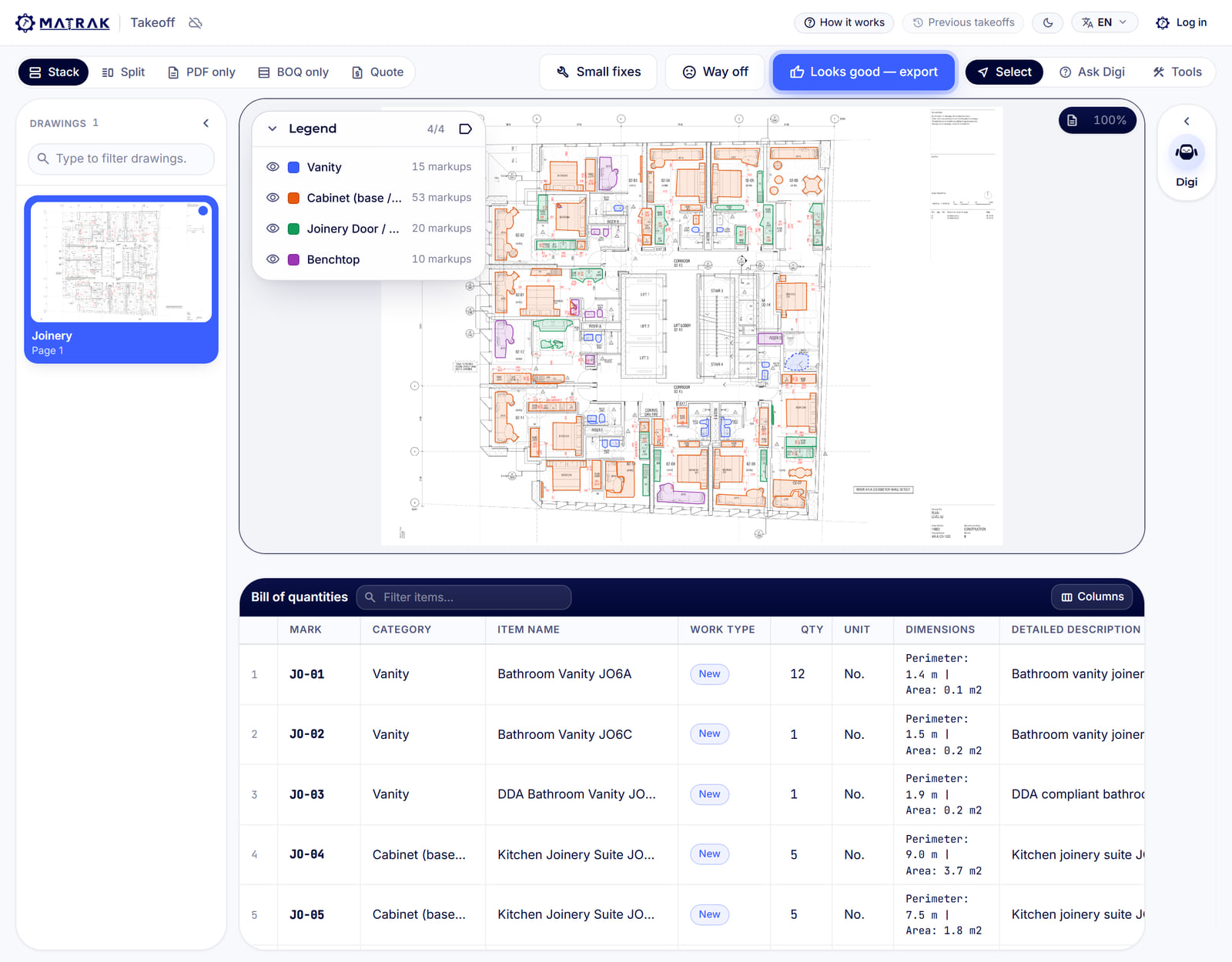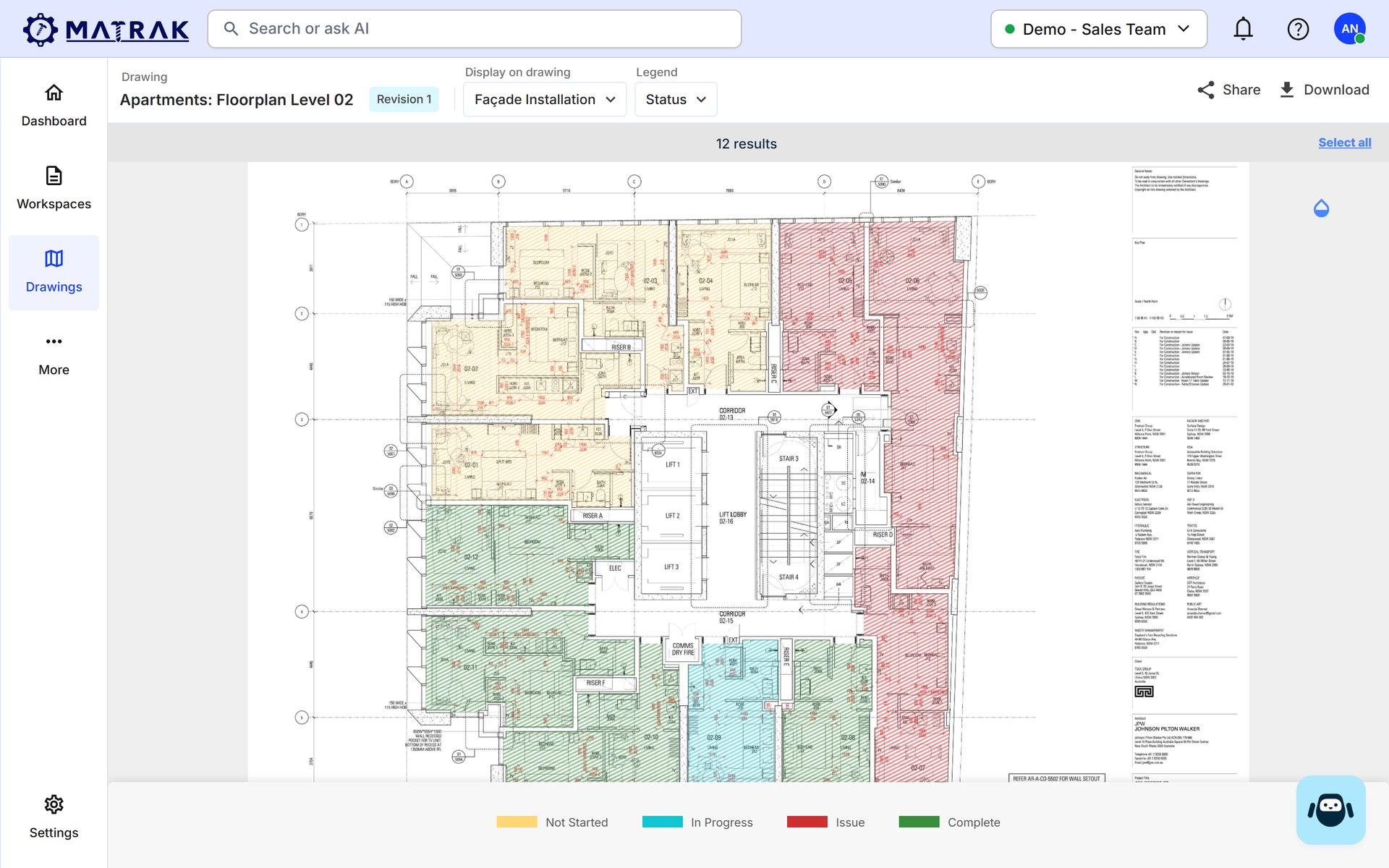
A site logistics plan, also called a construction logistics plan, is a marked-up drawing and a short set of rules that show how people, trucks, materials and waste get on, off and around a building site at each stage of the job: the gates, the truck routes, the unloading zones, the cranes and hoists, the storage areas and how deliveries are booked.
In the UK a construction logistics plan is often a planning condition and concentrates on truck movements to and from the site. In Australia much of the same ground sits in the construction management plan a council asks for. In the United States the site logistics plan is usually part of the bid.
What goes in a site logistics plan?
| Part | What to show on the drawing | What to decide |
|---|---|---|
| Site boundary and gates | The hoarding line, each gate and what it is for | Gate hours, and who controls each gate |
| Truck routes | Approved roads to the site, turning paths, where trucks wait | The largest truck allowed, and the times trucks are not |
| Unloading zones | Where each truck stops | Crane, forklift or by hand, and for how long |
| Cranes and hoists | Positions, reach and landing platforms | Booking rules, and who has priority on pour days |
| Storage and laydown | An area for each trade, on the ground and on each floor | The most days anything may sit on site |
| People | Walking routes kept apart from vehicles, the site entry | Where workers and visitors come in |
| Waste | Bin positions and the route out | Collection times that miss the delivery peaks |
| Neighbours and authorities | Road closures, footpath diversions, loading zones | Permits, noise hours, who tells the neighbours |
| Stages | The drawing redrawn for each stage | The date each stage's plan takes over |
What makes a construction logistics plan work?
Three pieces, and most plans only have the first.
- The drawing. One marked-up site plan for each stage, on the wall at the gate.
- The booking schedule. Every delivery on one list, with its slot, gate and unloading method.
- The rules. What happens to a truck with no booking, and who decides.
Site logistics plan example, stage by stage
A mid-rise apartment building on a tight city site.
| Stage | Main deliveries | Unloaded by | Pinch point |
|---|---|---|---|
| Excavation and basement | Spoil out, concrete and reinforcement in | Trucks on the ramp, a pump at the kerb | Trucks queuing in the street |
| Structure | Concrete, formwork, reinforcement, precast | Tower crane | Pour days: nothing else can be unloaded |
| Facade | Panels and windows on frames | Tower crane, straight to the floor | Nowhere to store, so each load is called up for the day it is fixed |
| Fitout | Plasterboard, joinery, tiles, appliances | Hoist, by booking | Hoist time |
| Handover | Furniture, final clean | Goods lift | Finished floors and walls to protect |
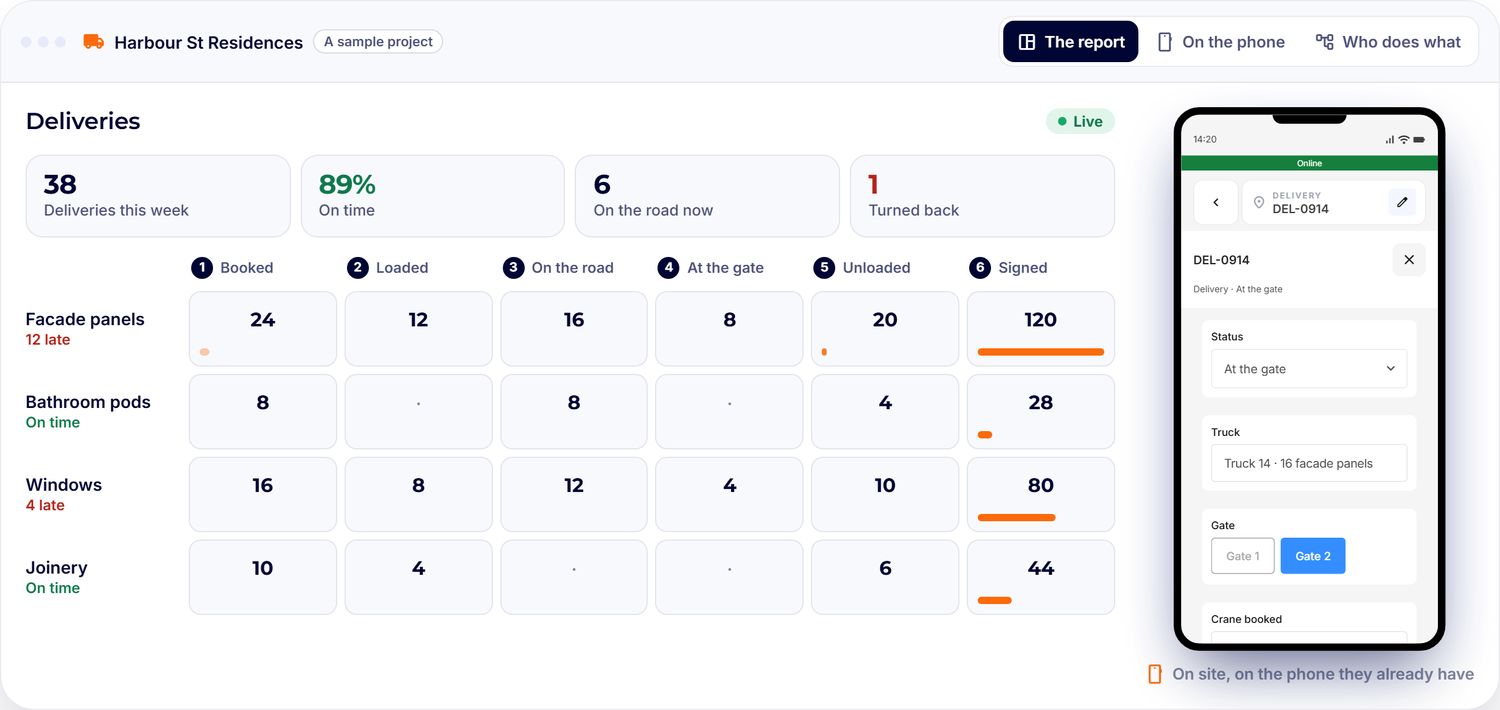
No wasted trips: the site is ready when the truck is. Matrak Logistics tracks every delivery from dispatch to the hoist.
The delivery booking rules
- Every delivery is booked. At least a day ahead, with a time slot, a gate and a truck type.
- The booking says how it is unloaded and where it goes. Level and zone, not 'site'.
- The crane or hoist is booked in the same line. A truck at the gate with no hoist is a truck in the street.
- Each trade gets tomorrow's list today. So someone is there to receive it.
- No booking, no entry. It only has to happen once.
What to order and when sits one step earlier, in the procurement schedule. The dates come from the construction programme, and the label on each load is covered in QR codes in construction.
Free site logistics plan template
Take our site logistics plan template for Excel: the nine parts above with room to write your rules, the stage example, and a delivery booking schedule with a status drop-down. Attach your marked-up site plan and it is ready to issue. No sign-up.
| Date | Time slot | Gate | Supplier or trade | Load | Unloaded by | Goes to |
|---|---|---|---|---|---|---|
| Mon | 7:00 to 8:00 | 1 | Facade contractor | 16 facade panels on two frames | Tower crane | Level 8, north face |
| Mon | 10:00 to 10:30 | 2 | Plasterer | 14 pallets of plasterboard | Forklift, then hoist | Level 3, zone B |
Common mistakes in logistics plans
- One drawing for the whole job. The gate that works for excavation is under the hoist by fitout.
- A plan without a booking list. The drawing says where. Only the list says when.
- Storage for everyone, forever. Give each trade an area and a number of days.
- The hoist left out. On a tower, hoist minutes are the scarcest thing on site.
- Suppliers never told. The driver is the person who most needs the plan.
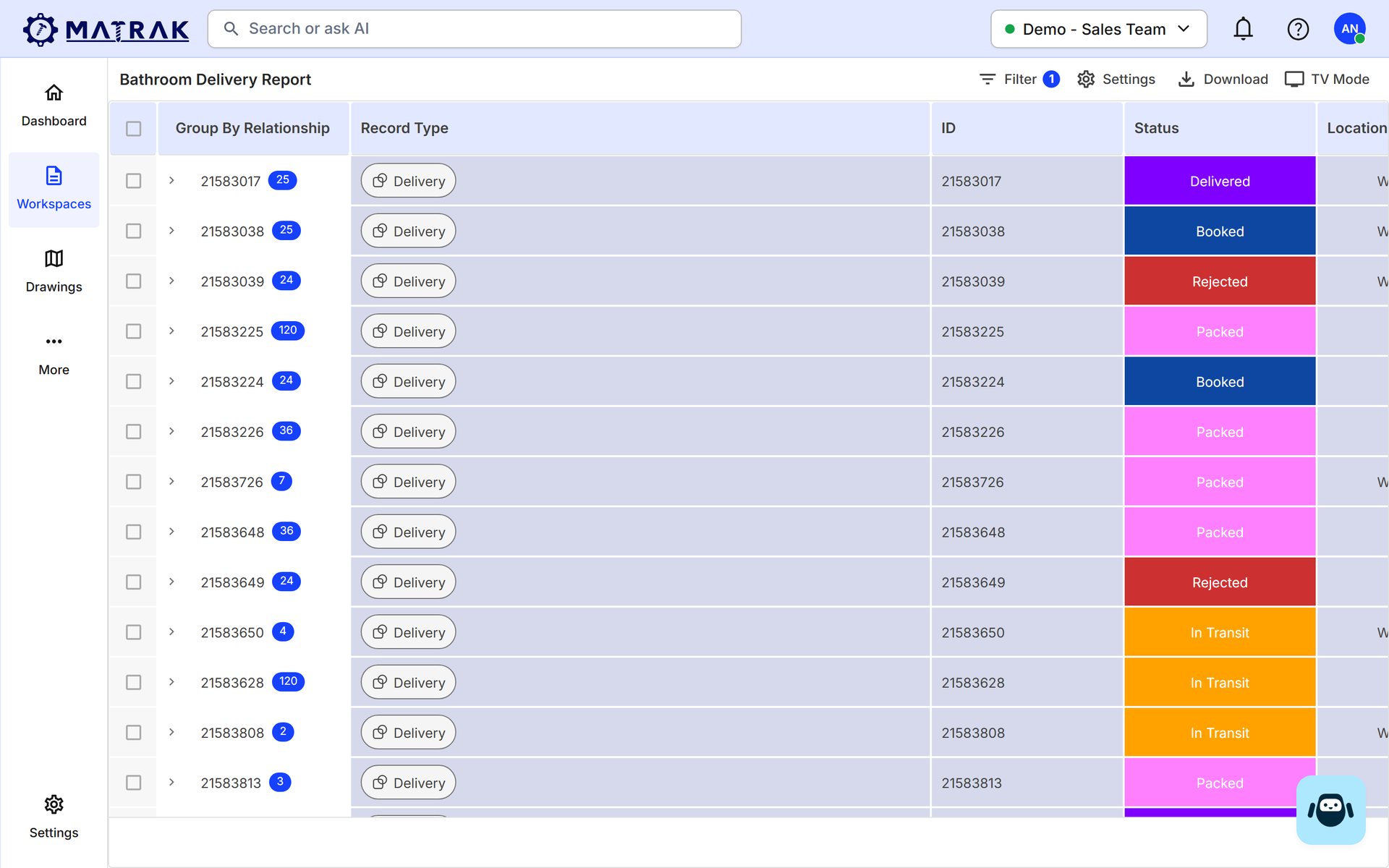
Every delivery tracked to the hoist
| Matrak Logistics | Whiteboard or spreadsheet | |
|---|---|---|
| A list of deliveries with dates and gates | Yes | Yes |
| One delivery schedule for the site, the supplier and the freight company | Yes | No |
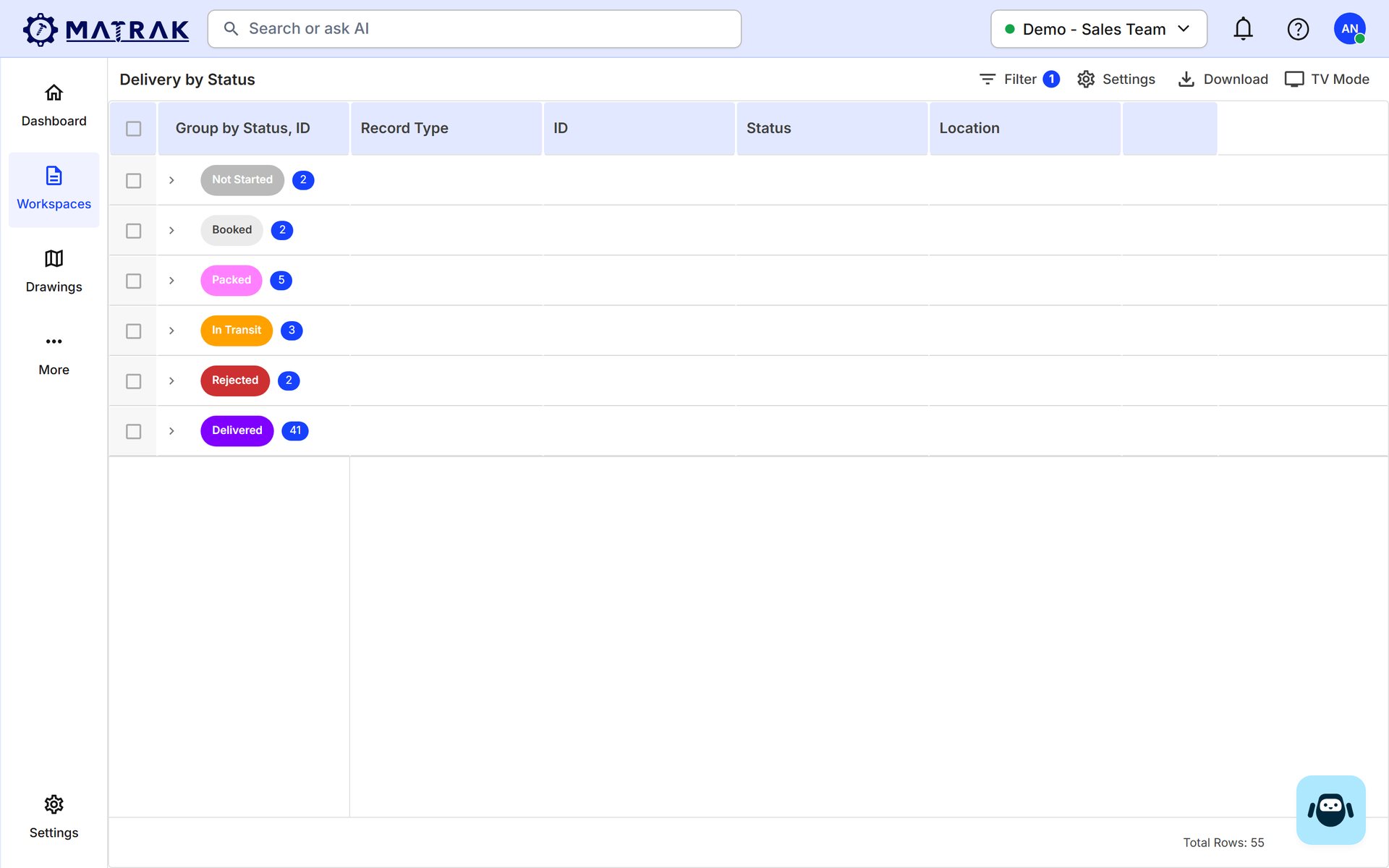
| Each load tracked: booked, loaded, on the road, at the gate, unloaded | Yes | No |
| A signed delivery record | Yes | No |
| Loads made up from the products tracked off your drawings | Yes | No |
| Dates taken from your programme | Yes | No |
How Matrak does it. Matrak Logistics gives the site, the supplier and the freight company one delivery schedule. Each load is tracked from booked and loaded to at the gate, unloaded and signed, so the hoist is booked for what is on the truck. $3,600 for one project for a year (A$, plus GST).
Why it is not a second spreadsheet. Loads are made up from the products already tracked off your drawings, which are fetched from Procore, Aconex and Autodesk, with dates from your programme and a full audit history of every change.
Tracking the products as well as the trucks? See Matrak Supply chain and Matrak for logistics. Weighing up systems? See how Matrak compares.
Frequently asked questions
What is a site logistics plan?
A site logistics plan shows how a construction site will work day to day: where the gates, truck routes, unloading zones, cranes, hoists, storage and walkways are, and how deliveries are booked. It is a marked-up site drawing for each stage, with a short set of rules.
Is a construction logistics plan required?
Often, yes. In the UK it can be a planning condition. In Australia councils commonly ask for a construction management plan that covers the same ground, and most head contracts ask the builder for one. Check your permit and your contract.
Who prepares the site logistics plan?
The head contractor's site manager or project manager, with input from the crane and hoist suppliers and the main trades. It is usually drafted at tender and finished before work starts on site.
What is the difference between a logistics plan and a traffic management plan?
A traffic management plan deals with vehicles and pedestrians on public roads and at the site entry, and is usually approved by the council or road authority. The logistics plan is wider: it also covers unloading, cranes, hoists, storage and deliveries inside the site.
How often should the logistics plan be updated?
At every change of stage, such as from structure to facade, and whenever a gate, crane or hoist moves. The delivery booking schedule that goes with it is updated every day.